
The International Labour Organization (ILO) estimates that nearly 3 million workers lose their lives each year due to work-related accidents and illnesses. Just two decades ago, workplace safety monitoring often relied on security patrols, periodic inspections, and basic cameras that only recorded footage. But today, with the advent of artificial intelligence in industry, we now have eyes that never blink, a brain that detects hazards in a fraction of a second, and systems that react before an incident even occurs. This transformation has ushered industries into a new era of safety and security.
AI-powered safety solutions help companies comply with legal requirements and create healthier working environments. One such advanced technology is AI-based video analytics, which enables manufacturers to detect dangerous conditions quickly and accurately, preventing incidents before they happen. Read on to learn more about this innovative technology.
What is Video Analytics in Manufacturing?
Video analytics uses AI-powered software to process and analyze video footage. Unlike traditional surveillance cameras that merely record, this technology can identify patterns, monitor activities, and provide actionable insights.
These intelligent systems utilize advanced machine learning algorithms to analyze video footage in real time. In addition to recognizing patterns and anomalies, they offer preventive measures to avoid potential hazards.
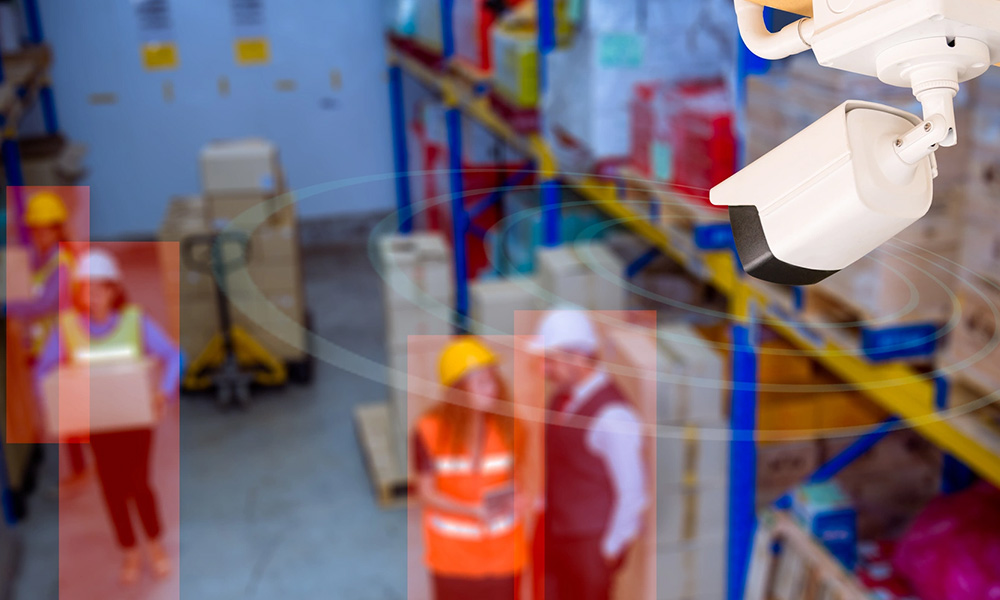
How AI-Based Video Analytics Works in Manufacturing Environments
This cutting-edge technology continuously and live-monitors video feeds using AI, analyzes worker behavior, and instantly identifies unsafe conditions in the workplace. Machine learning algorithms detect unusual movements, violations of safety protocols, or risky behaviors and immediately alert managers and safety officers to potential dangers.
Applications of Video Analytics in Industrial Environments
- Heat Mapping of High-Risk Areas: By analyzing workers’ movement patterns, the system creates heat maps to identify areas with the highest risk of incidents.
- Monitoring Entry and Exit Points: AI-based video systems can track the movement of people and vehicles, preventing unauthorized access or overcrowding at entrances and exits.
- Detection of Unsafe Behaviors: AI video analytics can identify and report actions such as improper use of machinery or failure to wear safety equipment.
- Surveillance of Restricted or Hazardous Areas: AI helps monitor entry into areas like electrical rooms or around operating machinery, sending immediate alerts when necessary.
- Forklift and Vehicle Movement Analysis: AI tracks vehicle paths, speeds, and proximity to workers to prevent collisions and accidents.
- Proactive Hazard Identification: As the saying goes, prevention is better than a cure. This technology can identify risks such as blocked hallways, crowding, or lack of safety gear before an incident occurs.
- Analysis of Risky Behaviors: The system detects high-risk actions like improper lifting, running in the workplace, or performing dangerous tasks, generating analytical reports to guide targeted safety training.
Conclusion
Ultimately, the most important achievement of this technology is saving lives, the very workers who leave their homes each morning with families awaiting their safe return. Every accident prevented by these systems means saving a family, a future, a life. AI-based video analytics has proven that technology can serve humanity, transforming workplaces into safer and more humane environments. This revolution not only reshapes industries but also protects and uplifts the lives of millions of workers.