
When people think of artificial intelligence in action, the first images that come to mind usually involve automation, cost savings, or operational efficiency. And while those are real and tangible benefits, there’s a deeper story unfolding in healthcare, one that’s more personal and, frankly, more urgent: saving lives in real time.
So, What Exactly Is Video Analytics?
At its core, video analytics refers to the use of AI and machine learning to interpret what’s happening in a video feed, whether it’s live or recorded. These systems are designed to detect and understand things like human movement, facial recognition, object tracking, or crowd density. Unlike traditional setups that require someone to constantly monitor screens, these systems can identify specific scenarios and trigger alerts immediately, without human intervention.
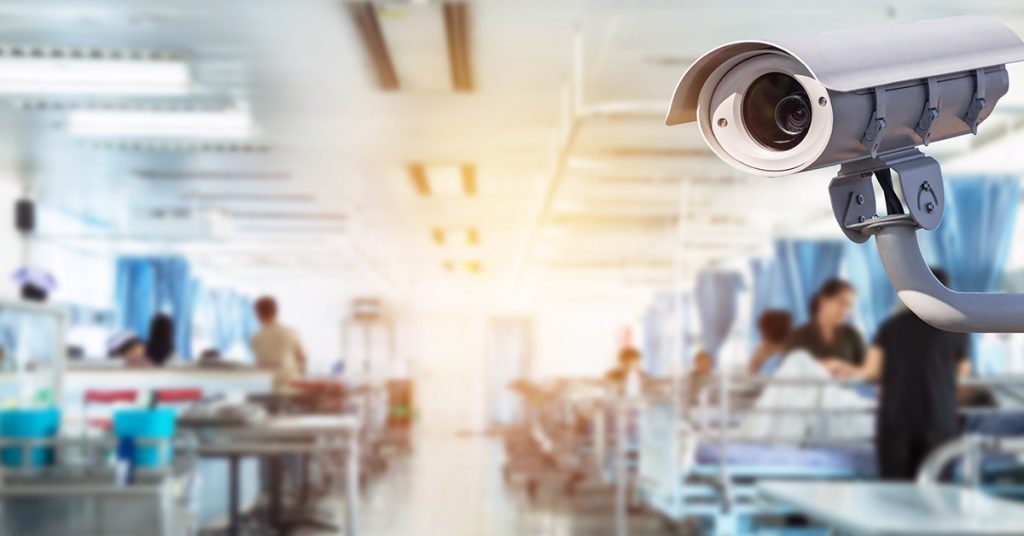
Picture this: it’s a busy afternoon in a hospital corridor, and an elderly patient suddenly falls. In the past, unless someone happened to witness it, the response might have been delayed. But with AI-enabled cameras watching over the space, that fall would be detected instantly, and a nurse would be alerted within seconds. That’s not just convenience, that’s potentially a life saved.
Why Healthcare Needs Video Analytics
Video analytics is changing how hospitals work. It helps keep people safe, supports medical teams, and improves the quality of care. Here’s a closer look at how it’s making an impact:
1. Improved Safety and Security
Hospitals are high-stakes environments where safety is paramount. Intelligent video systems can detect threats such as unauthorized access, theft, violence, gunshots, glass breaking, fire, or smoke, alerting security teams immediately. They also help regulate visitor flow to prevent overcrowding in waiting areas, ensuring a safer and more comfortable environment for everyone.
2. Enhanced Patient Monitoring
Video analytics is a game-changer in patient monitoring. These systems can track movement, flag signs of distress, and notify staff if a patient attempts to get out of bed unassisted. In critical care units or elderly wards, this kind of visibility can mean the difference between a minor issue and a major emergency.
Two key use cases stand out here:
- Preventing Falls: Falls are surprisingly common and costly in hospitals. Smart video systems can catch subtle movement patterns that typically precede a fall, buying precious time for staff to act.
- Keeping Infections in Check: AI-powered surveillance helps ensure hygiene rules are being followed. It can confirm handwashing, track waste disposal, and check that medical instruments are properly sterilized. These seemingly small details add up to a major impact on infection control.
3. Staff Training and Protocol Compliance
Video analytics enables real-world performance reviews and ongoing staff training. By analyzing recorded footage, hospitals can evaluate adherence to medical protocols, such as correct CPR procedures, and provide targeted training. This not only improves clinical performance but also reinforces safety standards across departments.
4. Health Guideline Enforcement
Even as the pandemic fades from the headlines, hospitals still need to manage crowd sizes and physical distancing. AI systems can count people in real time and alert staff when capacity is exceeded. Some even connect to speaker systems that broadcast reminders to maintain safe behavior.
5. Faster Emergency Response
In emergencies, every second counts. Video analytics accelerates emergency response by sending instant alerts when it detects critical events, and as the arrival of an ambulance or unauthorized objects in restricted zones like ER entrances, allowing staff to clear pathways and prepare in advance.
What’s Next? The Future Looks Smart
While video analytics and AI are already cutting-edge, their full potential in healthcare is just beginning to unfold. Here’s a glimpse of what’s on the horizon:
· Monitoring Patients From Afar: With AI in the mix, video analytics can now support remote care, offering early warnings before symptoms worsen, even outside hospital walls.
· Assisting in the Operating Room: Integrated with AR, these systems can guide surgeons in real time, offering critical data that improves accuracy and outcomes.
· Understanding Mental Health Through Visual Clues: By reading facial expressions and behavior patterns, AI could someday detect the early signs of mental health issues, helping patients get support before problems spiral.
Final Thoughts
Video analytics in healthcare represents a powerful convergence of AI, computer vision, and real-time alert systems. This technology doesn’t just automate processes; it saves lives, raises the quality of care, and ensures safer, more efficient medical environments. As adoption grows, hospitals that embrace intelligent video analytics will be better equipped to respond faster, operate smarter, and care deeper.