
Nowadays, we deal with images and videos almost everywhere from mobile phone cameras to security systems, self-driving cars, and medical equipment. All these systems need to process images quickly, accurately, and in real time.
The challenge is that image processing is not simple, especially when it becomes complex. If it is handled only by general-purpose processors like CPUs, the system slows down and real-time responsiveness is lost. In fact, for heavy and real-time processing tasks, a CPU alone is usually not sufficient. That is why independent hardware for image processing has been developed specialized, standalone hardware dedicated to image processing.
These hardware solutions help perform image processing faster, reduce latency, and optimize energy consumption.
For this reason, modern intelligent systems use new technologies to perform image processing directly on the device itself rather than relying on remote servers. In this article, we will explore independent hardware for image processing
What Is Dedicated Image Processing Hardware?
When we talk about dedicated image processing hardware, we mean hardware designed exclusively for processing images and videos. Simply put, these hardware systems are like specialists who perform one task but do it extremely fast and accurately.
Unlike general-purpose systems that handle multiple tasks, these hardware solutions focus solely on image processing. As a result, they perform much better in demanding applications such as:
- Object detection for identifying objects quickly and accurately
- Video analysis for examining video frames and detecting events
- AI inference for intelligent decision-making based on visual data
Introduction to Independent Hardware for Image Processing
In simple terms, image processing means capturing an image or video and analyzing it to understand what is inside or what is happening. As expected, this is computationally intensive, especially when artificial intelligence models are involved. That is why general-purpose hardware like CPUs is not always sufficient.
This is where independent hardware for image processing comes in. Instead of relying on general systems, we use hardware specifically designed for image and video processing.
These hardware solutions can take different forms. They may operate completely independently or be embedded inside devices such as cameras or robots. The key point is that they allow images to be analyzed instantly at the point of capture, without sending data to remote servers. This leads to higher speed, lower latency, and improved security since less data leaves the system.
In simple terms, these hardware solutions transform machine vision systems from slow, computer-dependent setups into fast, independent, and intelligent systems that make decisions directly on the device
Types of Independent Image Processing Hardware
Before discussing the types, it is important to note that these devices typically operate close to the image source (for example, inside a camera or industrial equipment). This results in faster processing, reduced latency, and lower internet and operational costs.
In short, instead of being general-purpose but average, these systems become “fast and precise image processing specialists.”
Standalone Image Processing Hardware
These systems operate completely independently and function like dedicated computers for image processing. They do not rely on central systems or servers and contain all necessary tools within themselves.
They capture images, analyze them locally without sending data externally, and then deliver results to the user. These systems are especially useful in environments with weak internet connectivity or in sensitive settings where data should not leave the system, such as industrial environments or security projects. They are both fast and reduce security risks.
Embedded Vision Systems
These are image processing systems integrated directly into devices such as smart cameras, drones, or industrial robots. They are not separate hardware but part of the device itself, enabling it to understand visual inputs for example, detecting suspicious movement.
These systems are crucial for real-time applications since all processing happens instantly within the device.
AI Vision Hardware
This type of hardware is specifically designed to run artificial intelligence models on images. It is optimized for tasks such as neural networks, face recognition, and image analysis.
In other words, these systems act as the “brain” of machine vision systems, performing complex AI computations at high speed with lower energy consumption.
Smart Surveillance Hardware
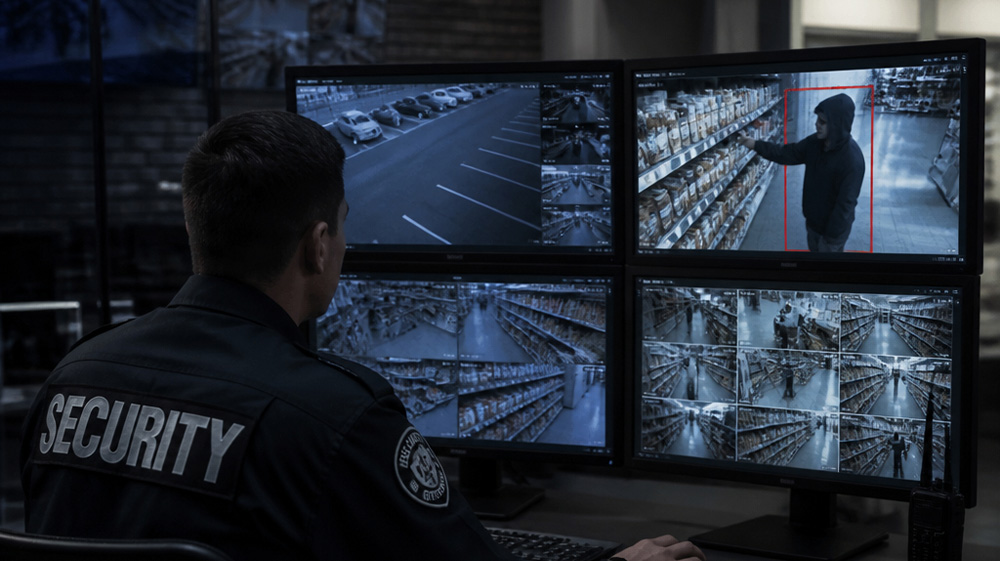
Smart surveillance systems are the new generation of security systems. They do not just record video they also analyze it.
They can perform tasks such as detecting unauthorized access, recognizing faces, and analyzing suspicious behavior. With these systems, there is no need for a human operator to monitor footage for hours the system does it automatically. This improves both accuracy and response speed.
That is why these systems are widely used in banks, retail stores, and organizations.
Conclusion
In conclusion, the field of image processing is rapidly moving toward the widespread use of independent hardware for image processing. These technologies enable systems to process data faster and in real time, reduce reliance on the cloud, lower energy consumption, and make smarter decisions.
Whether in the form of edge AI image processing, embedded vision systems, or smart surveillance hardware, the main goal is the same: bringing artificial intelligence closer to the data and performing processing directly on the device.
Ultimately, the future of image processing is heading toward systems that not only capture images but also “understand” them instantly and make decisions based on that understanding.